Drain Repairs vs Drain Relining: Which Do You Need?
If you’re a homeowner in Basingstoke or the surrounding Hampshire areas like Tadley or Whitchurch, dealing with a blocked or damaged drain can be stressful. Understanding your options for fixing your drain is crucial before any work begins.
Two common solutions for damaged drains include traditional excavation repairs and modern no-dig drain relining. Each method has its own advantages and drawbacks, so knowing the difference can help you make the right choice for your property.
Understanding Traditional Drain Repairs
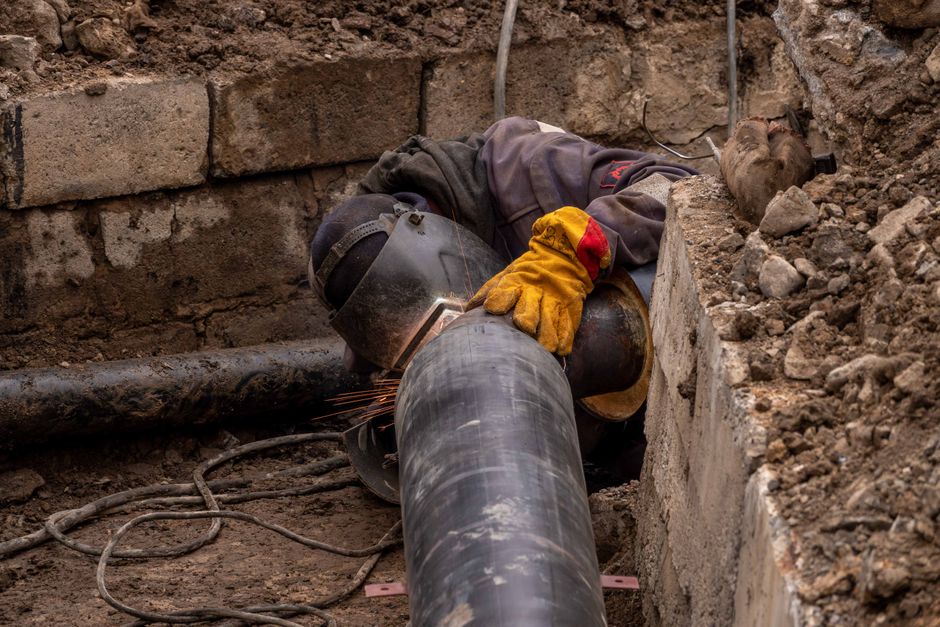
Traditional drain repairs involve digging up the affected drain pipe to access the damage directly. This excavation allows the plumber to remove broken sections, replace damaged pipes, and restore proper flow. It's a method that has been used for decades and remains effective for extensive damage.
Typically, this approach requires heavy equipment and may necessitate digging up gardens, driveways, or pathways. In a place like Oakley or Overton, where properties often have established gardens or patios, this can mean a considerable amount of disruption.
However, its direct access to the damaged pipework means the plumber can thoroughly inspect adjoining sections and ensure comprehensive repair. This can be particularly important when the pipe has collapsed or sunk, or when there’s tree root intrusion damaging multiple sections.
What Is Drain Relining?
Drain relining is a modern, trenchless method for repairing damaged drains without the need for excavation. It involves inserting a flexible liner coated with resin into the existing pipe. Once inflated and cured, this liner forms a tough, seamless new pipe inside the old one.
This technique is often referred to as 'no-dig' drain repair because it avoids the disruption of digging up your garden or driveway. For homeowners in Chineham or Hook, where properties may have limited outdoor space or landscaped areas, relining can be an appealing alternative to traditional repairs.
Beyond preserving your outdoor areas, drain relining can often be completed quicker than excavation repairs, reducing inconvenience. The finished lining also adds structural strength and seals cracks or leaks, potentially extending the life of your drains by many years.
Pros and Cons of Traditional Drain Repairs
One of the clear advantages of traditional drain repairs is the ability to thoroughly remove and replace damaged pipe sections. This can be essential if the pipe is badly broken, collapsed, or misaligned. It also allows for complete inspection and cleaning of the drainage system beyond the visible damage.
On the downside, excavation can be costly and disruptive. Digging up driveways or gardens in places like Tadley or Whitchurch can take time to restore, and there’s often additional expense for reinstating landscaping or hard surfaces.
There is also a risk of unexpected complications underground, such as encountering other buried utilities or unstable soil conditions, which can extend the repair time and cost.
Pros and Cons of Drain Relining
Drain relining excels in minimising disruption to your property. Since no digging is required, gardens, driveways, and paths remain intact, saving both time and money on reinstatement. For many Hampshire homes, this less invasive option is particularly attractive.
Because relining creates a new pipe inside the existing one, it can also improve water flow and prevent roots from penetrating the lining. This added durability is a key benefit for those living near mature trees common in the Basingstoke area.
However, relining may not be suitable for every situation. If pipes are severely collapsed or misaligned, inserting a liner may be impossible or ineffective. Additionally, the liner slightly reduces the internal diameter of the pipe, which could affect flow capacity in larger systems.
Which Option Suits Your Damaged Drain?
Deciding between traditional repair and drain relining depends on the extent and type of damage, as well as your property’s specific circumstances. A CCTV survey is often the first step to understand what’s wrong beneath the surface.
If the pipe is structurally sound but has cracks, leaks, or minor root intrusion, relining is usually the preferred choice. This is especially true if you want to avoid disturbance to your garden or driveway in Basingstoke or nearby towns like Hook and Overton.
Conversely, if the pipe has collapsed, shifted, or suffered extensive damage, traditional excavation may be necessary to fully access and replace the faulty sections. Older properties in Hampshire with aging drainage systems might require this approach more frequently.
Cost and timing also play a role. Relining often comes with a quicker turnaround and less mess, but the initial inspection and suitability assessment are key to ensuring a long-lasting solution.
Local Considerations for Basingstoke and Hampshire Homes
Properties across Basingstoke, Chineham, Oakley, and surrounding Hampshire towns vary in age and drainage construction. Older homes may have clay or cast iron drainage pipes more prone to cracking or root ingress, while newer developments tend to use plastic piping.
Ground conditions in Hampshire can influence drainage issues. Areas with clay soil tend to expand and contract with moisture changes, sometimes damaging pipes. In these locations, trenchless repairs that prevent further ground disturbance might be particularly beneficial.
Homeowners in rural or semi-rural settings near Whitchurch or Tadley might also experience problems with tree roots due to the abundance of mature trees. Drain relining provides a robust barrier against future root invasion, helping to protect your system longer.
Maintaining Your Drains After Repair or Relining
Regardless of whether you choose traditional repair or relining, maintaining your drains helps prolong their lifespan. Avoid flushing inappropriate materials like wipes or fats, regularly clear external drains and gullies, and monitor for slow drains or foul smells.
In Basingstoke and nearby towns, regular drain inspections every few years are advisable to catch problems early. After repairs, having a follow-up CCTV survey ensures your drains remain in good condition and functioning efficiently.
Promptly addressing any signs of drainage failure, such as wet patches in the garden or slow draining sinks, can prevent costly damage and the need for major repairs later on.
Need a drainage expert in Basingstoke?
Call 01256 541170